Falalala: A Playful Script Font for Modern Web Design
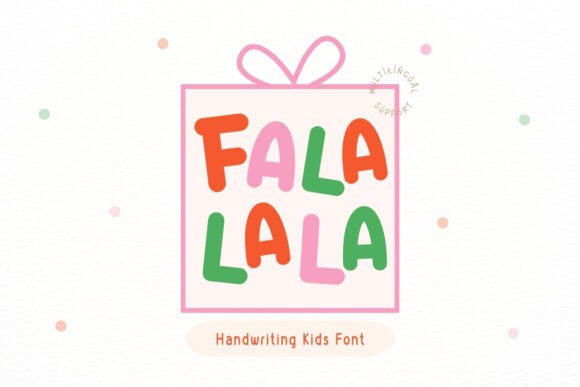
As a web designer or digital product creator, you understand the power of typography in shaping user experience and brand perception. Fonts like Falalala offer more than just visual charm—they bring personality, rhythm, and clarity to your layouts. This hand-drawn, whimsical typeface is part of the Script Amp family and brings a fresh approach to playful branding without sacrificing legibility.
Visual Characteristics and Personality
Falalala is a script font that feels both authentic and refined. Its hand-drawn style gives it a natural warmth, while subtle consistency in letterforms ensures it holds up in digital environments. The playful curves and lively energy make it ideal for projects targeting children, families, or any brand aiming to convey joy and creativity.
The typeface doesn’t lean too heavily into cursive flourishes that can compromise readability. Instead, it strikes a balance between fun and function—making it versatile enough for headers, buttons, and even short phrases in responsive design. When used thoughtfully, Falalala can enhance the emotional tone of your content while maintaining a clean, modern aesthetic.
Applications in Web Design
Here’s how Falalala can be effectively integrated into different parts of your digital work:
- Hero Sections: Use Falalala as a display font for bold headlines. Its expressive nature adds a memorable touch to landing pages and home screens.
- Call-to-Action Areas: For CTA buttons or banners, the font’s cheerful character can encourage clicks by creating a sense of playfulness and trust.
- Branded Content: Whether you're designing a creative portfolio site or a boutique online store, Falalala helps build a cohesive brand identity with its consistent yet artistic feel.
- Banner Text: In online shop promotions or social media graphics, this font can draw attention without overwhelming the viewer.
- Logo Design: If your brand needs a handwritten font that feels personal and inviting, Falalala makes an excellent choice for logo text or signature elements.
Designing for Readability and Scanning
One of the most important aspects of using a script font like Falalala is ensuring it doesn’t hinder readability. Because of its decorative nature, it's best suited for short phrases, titles, and accents rather than long paragraphs or body copy. When applied to headers or section headings, it can guide users through a page and support effective scanning behavior.
On mobile screens, use larger font sizes (at least 24px) to maintain clarity. Avoid overusing alternates or ligatures in small text areas. Pair Falalala with a simple sans serif or serif font for body copy to keep your layout balanced and easy on the eyes.
Brand Tone and User Engagement
Typography plays a key role in setting the tone of your brand. Falalala communicates a lighthearted and friendly vibe, which is especially useful for niches like education, lifestyle, children's products, or creative services. It can help differentiate your brand from competitors who rely on standard sans serifs, adding a unique layer of visual storytelling.
For instance, if you’re working on a course sales page for a creative writing coach, Falalala could be used in the hero title to reflect the instructor's personality and passion. Similarly, a boutique clothing brand might use it in their header or promotional banners to create a warm, artisanal impression.
Font Pairing Tips for UI and UX
Pairing Falalala with complementary fonts enhances usability and aesthetics. Here are a few suggestions:
- Sans Serif Companions: Combine with a clean sans serif like Montserrat or Lato for body text. These pairings provide contrast and ensure the whimsy of Falalala stands out without making the rest of the content harder to read.
- Editorial Flair: For a more editorial look, try pairing it with a classic serif like Georgia or Merriweather. This works well in blog headers or magazine-style websites where a mix of creativity and professionalism is desired.
- Monospaced Accents: Use a monospaced font like Fira Code for code snippets or pricing tables when working alongside Falalala. This keeps technical elements grounded and readable.
Technical Considerations for Web Implementation
Before implementing Falalala into your project, consider these factors:
- Webfont Availability: Ensure the font comes in WOFF or WOFF2 formats for optimal performance across browsers.
- Weights and Styles: Check if multiple weights or styles are included. While Falalala may not have extensive variations, having at least a regular and bold version can add flexibility.
- Alternates and Ligatures: Some script fonts include alternate characters or stylistic sets. If available, these can give your design extra flair but should be used sparingly to avoid clutter.
- Multilingual Support: If your site targets international audiences, confirm that Falalala includes necessary language glyphs.
Responsive Typography with Falalala
When using Falalala in responsive layouts, adjust font size, line height, and spacing according to screen size. On desktops, it can shine in large hero sections with generous white space. On mobile, scale it down carefully to preserve legibility while keeping the visual impact intact.
Consider the background context too. Falalala performs best on light-colored or neutral backgrounds, where its ink flow and texture stand out. On dark themes, increase contrast by using a lighter color variant. When overlaid on images, apply a subtle drop shadow or outline to improve visibility without losing its soft, organic feel.
Use Cases and Real-World Examples
Let’s explore some practical applications of Falalala in real design scenarios:
- Creative Portfolio Site: Use Falalala for the artist’s name in the header, paired with a minimalist sans serif for navigation and body text. This creates a strong first impression while maintaining a professional structure.
- Online Store Banners: Apply it to seasonal promotions or product categories for a festive and engaging look. Make sure the supporting text uses a high-contrast, easy-to-read font.
- Coaching Website Headers: For a wellness or life coaching brand, Falalala can be used in section titles or welcome messages to foster a welcoming atmosphere.
- Digital Ads and Social Media Graphics: Its playful energy fits perfectly in ads targeting kids, parents, or hobbyists. Just remember to limit usage to key phrases to avoid distraction.
- Product Landing Pages: Add a touch of delight to your headline or subheadings, especially if the product has a creative or educational angle.
Commercial Licensing and Best Practices
If you plan to use Falalala in client projects, online stores, or SaaS platforms, always verify the licensing terms. Many premium fonts require specific licenses for commercial web use, including embedding in websites, digital templates, or brand assets. Be sure to check whether the font supports dynamic scaling in CSS or JavaScript-based interfaces.
Also, consider accessibility. While Falalala is great for display purposes, don’t use it as the primary font for body copy or interactive elements like form labels or menus. Always prioritize user-friendly typefaces for functional components to ensure a smooth and inclusive experience.
Creating a Consistent Brand Identity
Consistency is vital in building brand recognition. By using Falalala strategically across your website and marketing materials, you reinforce your brand’s tone and visual style. It works particularly well in brand kits that emphasize creativity and community, such as those for art schools, parenting blogs, or children’s toy brands.
To maintain a cohesive look, define clear rules for where and how the font appears. For example, use it only in headers and logos, or reserve it for special announcements and testimonials. This controlled usage ensures the font remains impactful without becoming overwhelming.
Final Takeaway
Falalala isn't just another pretty font—it's a tool that can elevate your digital design strategy. From playful branding to conversion-focused layouts, its hand-drawn appeal offers a unique way to connect with users while maintaining professional standards. As long as you apply it wisely and pair it effectively, Falalala can become a valuable asset in your typographic toolkit.