Beluga Font: A Playful Typeface for Creative Makers
There’s something magical about finding the perfect font to bring your handmade products or digital designs to life. Recently, I was working on a new batch of candle labels and felt stuck with my usual choices. That was until I discovered Beluga, a handwritten typeface that instantly made everything feel more alive and full of character.
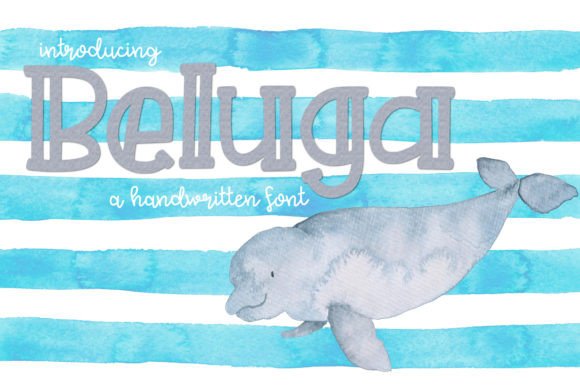
Beluga is not just any font—it’s a bold, playful script that carries warmth and charm in every stroke. As someone who relies heavily on typography to set the tone for my creations, I knew this one would become a staple in my design toolkit. The letters seem to dance across the page, making it ideal for adding personality to anything from greeting cards to boutique tags.
Beyond Pretty Letters: How Beluga Enhances Real Products
Let me take you through a few recent projects where I’ve used Beluga to create a cohesive and inviting brand experience:
- Candle Labels: My soy candles are all-natural and hand-poured, but they needed a label that matched their artisanal vibe. With Beluga, I designed minimalist yet eye-catching labels that felt both personal and premium. The playful curves gave them a whimsical edge while maintaining readability.
- Greeting Cards: I love designing seasonal cards, especially for birthdays and holidays. Beluga adds a sense of joy and spontaneity to phrases like “Happy Birthday” or “Merry Christmas.” It feels like writing a note by hand—perfect for those who appreciate the personal touch.
- Wedding Invitations: For a client’s rustic-themed wedding, I paired Beluga with a clean sans serif font for names and details. The result was a beautiful balance between elegance and fun, making each invitation feel unique and heartfelt.
- Printable Wall Art: I created a set of farmhouse-style wall art printables using Beluga for titles. The contrast between its expressive characters and simple layouts made the pieces pop without overwhelming the space.
- Stickers & Tags: When crafting sticker sheets for small shops, I always consider how the text will look up close. Beluga handles smaller sizes well, especially when used for short phrases or decorative elements. Just make sure to simplify some alternates for clarity on tiny tags.
Why Handwritten Fonts Like Beluga Work for Makers
Handwritten fonts have a natural appeal—they mimic the human touch and add authenticity to a product. In the world of handmade goods and digital downloads, that emotional connection can be the difference between a customer scrolling past and clicking “Add to Cart.”
Beluga isn’t just charming; it’s also versatile. Its bold style makes it great for display use, like shop signage or mug designs, while its legibility ensures it won’t fall flat on product packaging or labels. Whether you’re printing a line of mugs for a local market or creating digital templates for planners, Beluga helps your message stand out with a friendly, approachable energy.
Designing with Beluga: Tips for Best Results
Working with Beluga has been a breeze, but there are a few things I’ve learned along the way to ensure the best outcome for my projects:
- Check the Alternates: One of the things I love most about Beluga is the variety of alternates included. They give you creative freedom to personalize each piece. Just remember to review them before finalizing your design to avoid unexpected overlaps or spacing issues.
- Pair Thoughtfully: While Beluga is a standout on its own, pairing it with a complementary typeface can enhance your layout. I often pair it with a clean sans serif like Montserrat or Lato for a modern contrast. For more traditional looks, a simple serif such as Merriweather works beautifully too.
- Use for Short Text: This is a display font at heart, so it shines brightest when used for short phrases, names, or headings. Long paragraphs may lose clarity due to the nature of its handwritten style, but it's perfect for taglines, quotes, or decorative headers.
- Test Before Printing: Especially when working with Cricut or Silhouette for stickers and signs, I recommend testing Beluga at different sizes. Some characters might require slight adjustments for optimal cutting, particularly if you're using intricate swashes or ligatures.
- Consider Color and Texture: Because Beluga is expressive and bold, it pairs well with muted backgrounds or textured paper. On dark-colored mugs or shirts, I sometimes add a subtle outline or shadow to keep the lettering clear and vibrant.
Creating Brand Consistency with Beluga
As a maker, consistency is key to building a recognizable brand identity. I started using Beluga across multiple aspects of my shop—not just product labels, but also social media graphics, website headers, and even my packaging inserts. The result? A unified aesthetic that feels warm, inviting, and cohesive.
For example, I recently designed a holiday gift collection and used Beluga on all the tags, including custom ribbon labels and tissue paper wraps. Customers loved how the whole package felt intentional and joyful. Typography might seem like a small detail, but it plays a big role in how your products are perceived.
Beluga in Action: Real-World Examples
I've found myself reaching for Beluga again and again because it adapts so well to different mediums and purposes. Here are a few ways I’ve applied it:
- Seasonal Packaging: For a fall-themed product line, I used Beluga in a golden foil stamp on kraft boxes. The combination of color and texture elevated the overall presentation and drew attention to the name of the collection.
- Digital Templates: I incorporated Beluga into printable planner pages for weekly goals and motivational quotes. Its lively style added a sense of inspiration to what could otherwise be a very structured layout.
- Merchandise Mockups: When previewing tote bag designs online, I tested Beluga on several fabric textures. It worked surprisingly well on cotton and linen, especially when paired with a contrasting thread color for stitching outlines.
- Shop Signage: I printed a few wooden signs for my home studio using Beluga for the headings. The natural wood grain and the organic flow of the letters created a harmonious visual that customers immediately responded to.
Choosing the Right Tools and Formats
Beluga is available in various file formats, which makes it easy to integrate into both digital and physical workflows. If you're using design software like Adobe Illustrator or Photoshop, you’ll find it performs exceptionally well for high-quality prints. For SVG users, it's important to confirm whether the version you purchase includes editable vector paths or layered files for cutting machines.
Also, don’t forget to check the licensing agreement if you plan to sell your products or templates. Since I offer both physical items and digital downloads, I always make sure the font I’m using supports commercial use. Script Amp provides clear licensing information, which gives me peace of mind knowing I’m compliant and free to create without limitations.
Multilingual Support and Global Appeal
One thing I didn’t expect was how smoothly Beluga handled international characters. I was able to design bilingual greeting cards and welcome boards without worrying about missing glyphs. This multilingual support makes it a great choice for makers targeting a global audience or selling in international markets.
Final Notes on Working with Beluga
Beluga has quickly become one of my go-to fonts for creative projects. It brings a sense of playfulness and sincerity to every design, whether it’s a simple thank-you card or an elaborate wedding invitation suite. The beauty of a font like this is that it feels fresh and unique without being over the top.
If you're looking for a typeface that adds personality and flair to your handmade or digital offerings, I highly recommend giving Beluga a try. It’s a premium font that feels like a conversation starter—something I want my products to do every time.